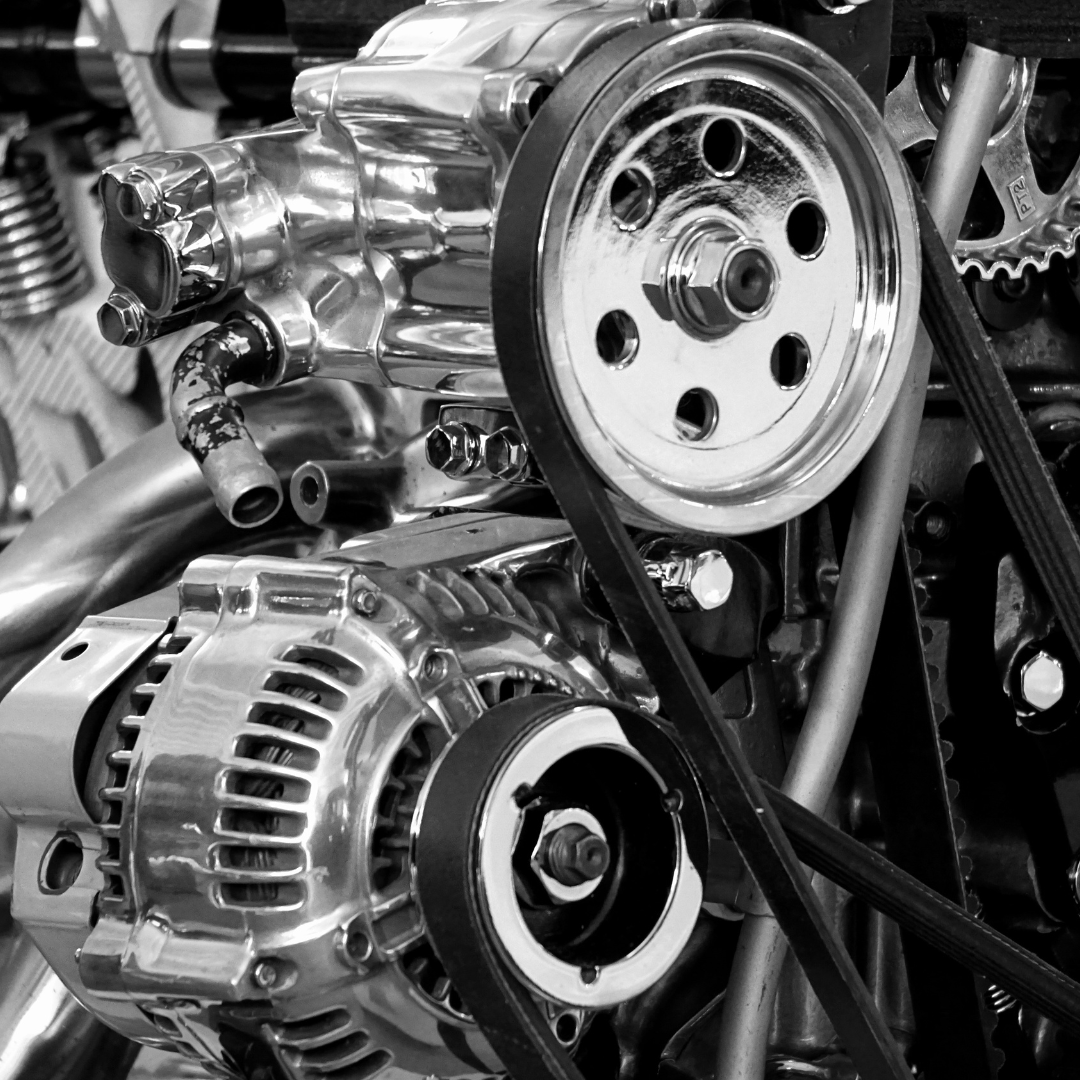

OEM and aftermarket components are fundamental to automotive wholesale trade, yet they serve different purposes and market segments. Understanding the distinction is critical for professional buyers sourcing parts at scale.
OEM (Original Equipment Manufacturer) parts are produced to the original vehicle specifications and are often preferred where warranty, regulatory compliance, or manufacturer alignment is required. Aftermarket parts, produced by independent manufacturers, provide broader sourcing options and cost flexibility.
OEM Parts: Use Cases and Advantages
OEM components are commonly used when:
- Manufacturer specifications must be strictly maintained
- Warranty or certification requirements apply
- Long-term reliability is a priority
- Vehicles are under manufacturer service agreements
Advantages include precise fitment, consistent quality, and regulatory alignment. However, OEM parts may have longer lead times and higher pricing.
Aftermarket Parts: Flexibility and Availability
Aftermarket components play a critical role in wholesale distribution and repair operations. Their advantages include:
- Wider availability across suppliers
- Competitive pricing
- Faster sourcing for high-demand components
- Broader product variety
In many markets, aftermarket parts meet or exceed technical standards while offering improved cost efficiency.
Decision Factors for Wholesale Buyers
Professional buyers typically evaluate several factors when choosing between OEM and aftermarket parts:
- Application and end-use
- Regulatory and certification requirements
- Budget constraints
- Availability and lead times
- Supplier reliability
A structured sourcing platform enables buyers to compare both options transparently, ensuring informed procurement decisions.
Role of Professional Sourcing Platforms
B2B platforms such as AltroPlus help buyers navigate OEM and aftermarket options by providing:
- Verified supplier access
- Transparent sourcing processes
- Structured quotations
- Compliance-aware procurement
This approach ensures quality, traceability, and consistency across wholesale operations.